

On Kindom and Forgotten Fungi
On Kindom and Forgotten Fungi
If we simply "drop the G", Kindom becomes gender neutral and demonstrative of the interconnectedness of nature. The Forgotten Kindom Fungi are paragon beings, keying us into nature's kinship.

Let us use the word "Kindom" in replacement of "Kingdom". Why? Because "Kingdom" is archaic and misleading. It implies ownership and a dominant authority within or towards nature. Help shift our collective relatedness to nature by starting to use “Kindom” in your own lives. Teach it to your children, your friends, your students, and your grandparents.
If we simply “drop the G”, the word "Kindom" becomes gender neutral and it becomes free from connotations of imperialism, rulership, nobility, and the dominance of European nation-states. There’s even a song about it (a parody to a Grateful Dead tune that I wrote in 2022). I thought I made up the term “Kindom”, but it is one of those ideas or words that occurs to a lot of people at the same time. Poet Art Goodtimes uses it. Author Robin Wall Kimmerer does as well.
A quick Google search will yield some accepted definitions of “Kingdom” (1; Merriam Webster; 2, Oxford Dictionary; and 3, Dictionary.com). These definitions all bolster the unifying concept: a realm that is controlled or led by something. Also lumped into the term is a scientific definition for the word “Kingdom” that refers to a biological category of the second (or first, depending on system used) highest rank, just below domain. I will include that the Merriam Webster definition incorrectly divides the major “Kingdoms” of life into three incorrect classifications: Animal, Mineral, and Plant. WTF? Where is the fungi? Fungi are not plants (more below). Can somebody please let Merriam Webster know?
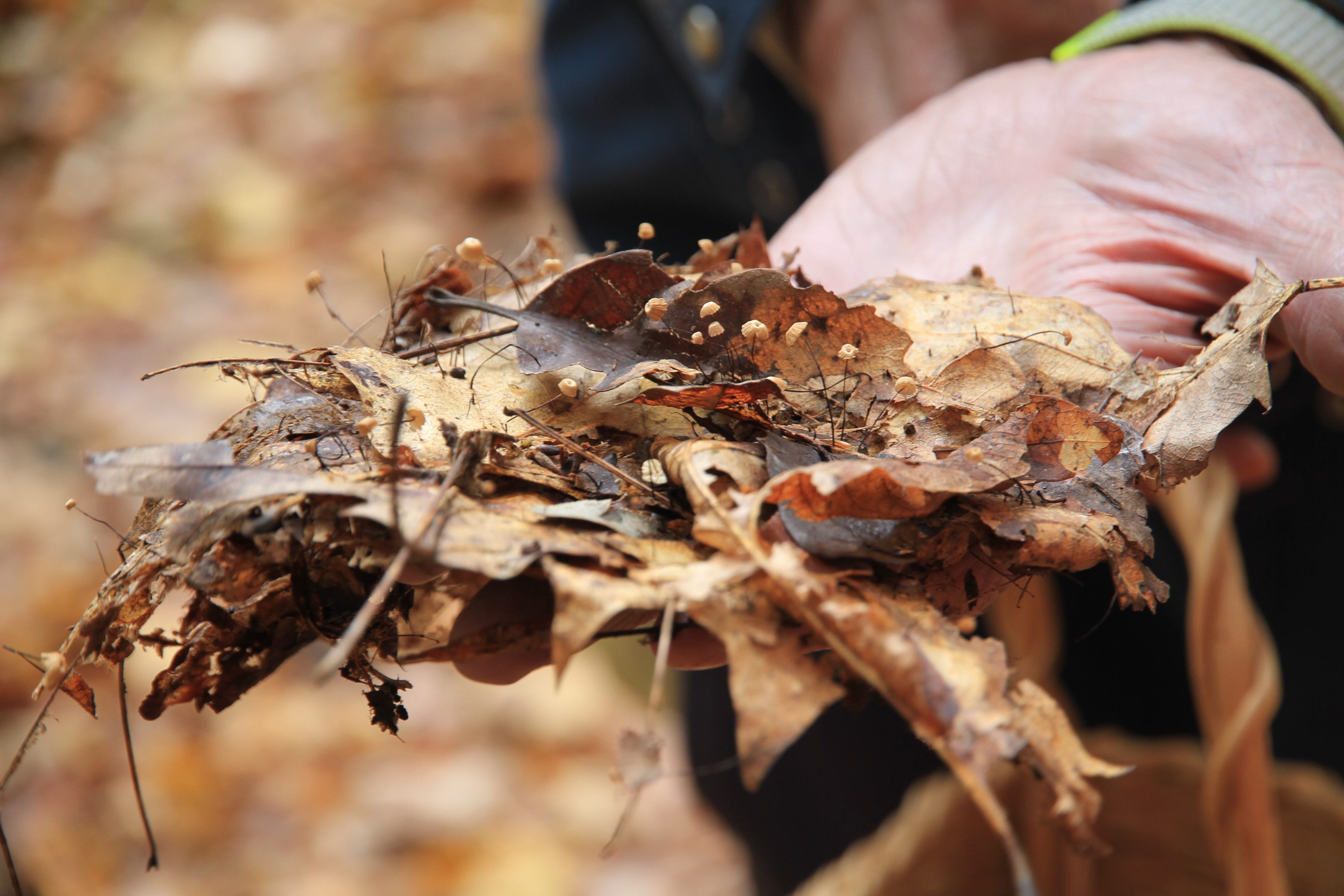
“Kingdom” is used to simplify the understanding of the biological world. Designating terms for biological groups (like distinguishing species from one another) is important for humans: it honors life’s unique differences and allows humans to navigate their way through this planet’s rich biodiversity. Distinctions are important, like how it’s critical to distinguish fungi from plants and animals. Recognizing fungi as their own “Kindom” is critical because they are essential in creating a resilient planet. If we don’t distinguish fungi when stewarding the earth they become dangerously lost in our actions. Consider marginalized folks like those belonging in the LGBTQIA+ distinction who have been historically disempowered. If not proactively recognized by our current society, their rights and empowerment fall through the cracks. Similarly, to distinguish fungi give them life in their own right and honor them as unique life forms that we humans have the momentous opportunity to co-exist with at the same time on this planet.
Fungi, the world’s forgotten “Kindom”, are a beacon of interconnectivity that can shift our understanding of nature: we are not separate from it and it is not separate from us. Fungi are the connectors of habitat — of the above and below. Fungi are intrinsic to the health, nutrition, growth, survival, and diversity of plants. Fungi are essential decomposers, nutrient cyclers, stores (of carbon and food), and play major roles in the functioning of ecosystems. Fungi are critical for our planetary resilience, yet they are neglected in education, science, conservation, and all around resourcing compared to the other major kindoms of life. There are now some organizations working to change this, like the one I work for, but we have a lot of catch up to do. Using the word “Kindom” will help make our world more fungal-friendly.
Using the word “Kindom” will help make our world more fungal-friendly.
Entirely their own beings, fungi do not photosynthesize. Instead, they digest their surroundings with mycelia – the growing and feeding part of the fungus. A matrix of connecting threads within soil, leaf litter, wood, and other substrates. Fungi, through their mycorrhizal mycelia, are connected to 90% of all plants. Mycelia forage, trade, unlock nutrients, decompose, and make much of life on land possible. In addition to connecting habitats and allowing life, fungi are also critical to the other end of the cycle as saprobes (death eaters) or decomposers. Fungi show us that death rebirths life in a cycle of necessary exchange. Interconnectivity. Many of the remarkable relationships fungi have made with other organisms have changed the course of life on earth – human and more than human.
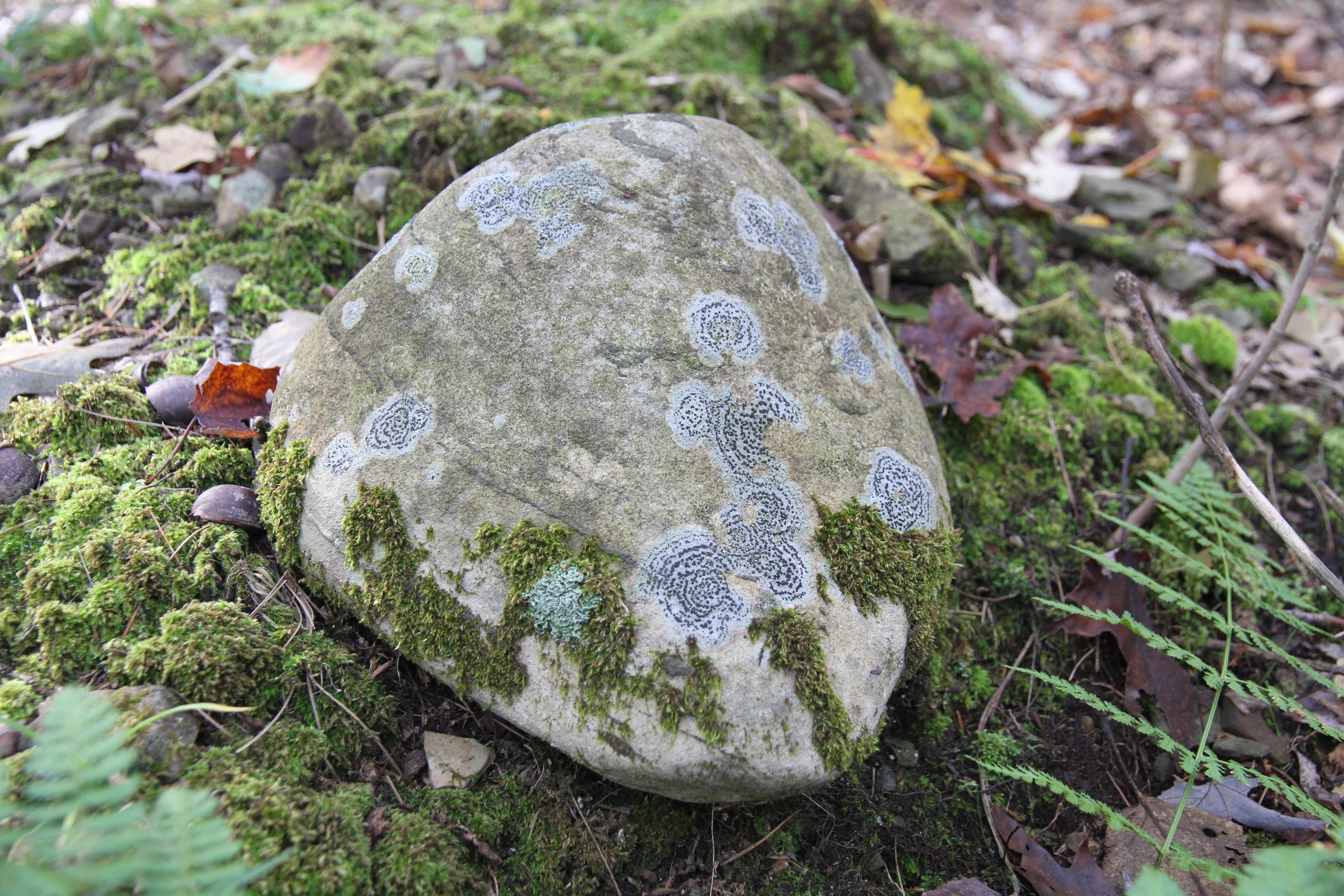
At this moment in time, “Kingdom” is a destructively loaded word. Kingdom implies that nature is owned, controlled by something, controlled by humans, or that there are groups of nature that control other groups of nature. Yes, changes to certain organisms will have rippling effects on other organisms and sometimes this can be large scale. But, the reality is that nature is intricately interconnected between and within species, and humans are not an exception of this. We have the power to not only choose the words we use but also to think about the repercussions of our choice in words. At this time humanity is hungry for deep imagining into new ways that center relatedness and love. Using “Kindom” helps do this.
Importantly, while “Kindom” honors the distinct relatability between all life, it can also better champion the intrinsic importance and protections of entire ecosystems than the word “Kingdom” does. This doesn’t mean that spending time defining and stewarding a singular species’ survival is no longer vital (think tigers or orca whales), but rather it changes the goals to of conservation towards whole ecosystems and habitats. The interconnectivity of nature is allowed life in its own right. We can create land protections before necessarily being able to accurately define all of the hundreds or thousands of individuals and individual species that dwell within it.
Fungi received their own “Kingdom” only in 1969. Ever since Linnaeus popularized these scientific categorizations in 1735, they have continued to change every so often. There have been 10 proposed “Kingdom”-level classifications since 1735 and some scientists say no set of “Kingdoms” are sufficiently acceptable. “Kingdom” has its uses, but at this planetary moment, I believe the benefits of introducing “Kindom” will far outweigh those than if we keep using “Kingdom”. We don’t need to center our perception of nature in classification, rulership, dominancy, or isolation any longer. We are alive during a time in which Earth organisms are loud and they are changing. Our chronic disconnectedness from nature is a hazard to our planetary, communal, and personal health.
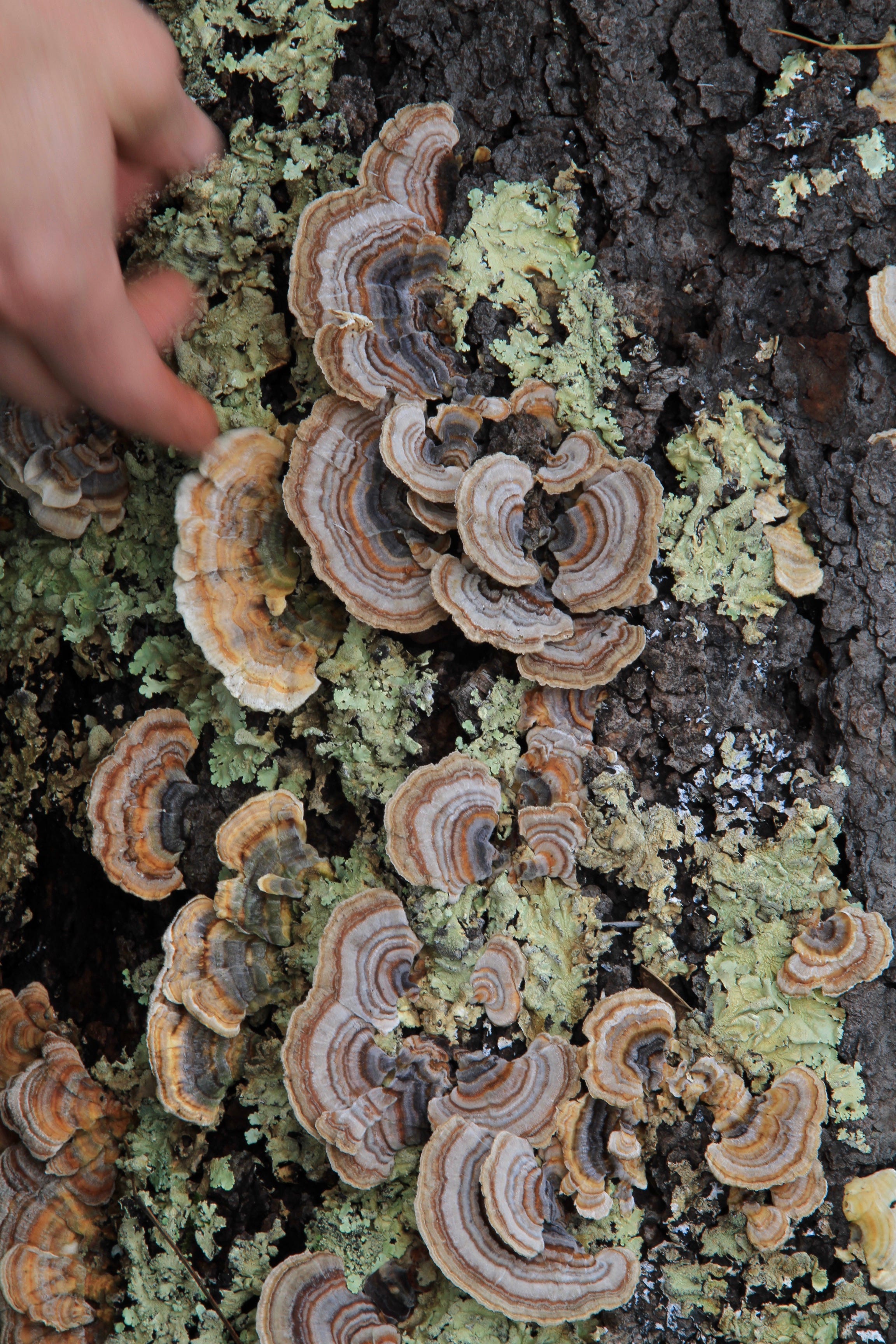
The term “kin” was first recorded in 825 in the sense of a group that descended from a common ancestor. When suddenly the Sagebrush Lizard or the Earthstar are considered a part of our common ancestry, this can have incredible repercussions with how we view nature and how we view ourselves. Perhaps using “Kindom” will inspire humans to think of ourselves as fungi. How do we have similar survival goals? How would this provide profound insights into what we, humans do?
I believe using “Kindom” brings us steps closer to being able to reimagine a world that is not driven only by profit, but driven by relationality and love.
Using “Kindom” allows fungi, and all organisms, life in their own right, not simply for the use and classification of humans. Although classification can be helpful for utility or science, organisms exist outside of our conception of utility and science. Collective recognition of our kindredness has the impact to change how humans identify with and steward the planet.
Fungi help us realize the kinship of nature and thus the kinship of you and I. Living in kinship, rather than unchecked growth, isolated competition, or survival of the fittest, can have incredible consequences for our planet. I believe using “Kindom” brings us steps closer to reimagining a world that is not driven only by profit, but driven by relationality and love.
I really like the thinking behind Kindom.
I will join your approach of using the word.